
Lifestyle Medicine: A Short Guide to the 6 Pillars Before You Start
A short version of the 6 pillars of Lifestyle Medicine, summarizing nutrition, movement, sleep, stress, relationships, and reducing risky substances to support healthspan for adults 40+

The Day Your Body Starts Sending Signals
Picture the morning of your annual checkup. You sit looking at blood values that are starting to shift, weight that has crept up bit by bit, and a tiredness that takes longer to shake than it used to. Nothing dramatic has changed in your life. You wake up, go to work, eat, come home, sleep, and start over.
What you want on a morning like that is usually simpler than the word longevity. You want the energy to work, to look after the people at home, to travel on your own, and to be around while your children and grandchildren grow, staying independent as long as you can. Lifestyle Medicine starts from one plain question: are the things you repeat every day holding your body up, or slowly pulling it down?
What We Tend to Think, and What Is Actually True
When the blood values start to slip, many people decide that health after 40 comes down mostly to test results, medication, or genes. Numbers go off, wait for the doctor to prescribe something. Weight goes up, blame your age. Tired easily, figure nothing can be done.
Here is what most people overlook: a great many chronic diseases grow out of the small things you repeat every day. What you eat, how you move, when you sleep, your stress, the people around you, and cigarettes or alcohol. Picture these as 6 pillars holding up the same house.
When one pillar starts to lean, the whole house sways with it. Sleep better and eating well gets easier. Warm up your relationships and stress lightens. Exercise and sleep comes more easily. Cut back on alcohol and both your sleep and your blood pressure improve.
This framework was defined by the American College of Lifestyle Medicine (ACLM), founded in 2004, and later taught by Harvard Medical School. Some people call it “Harvard’s 6 pillars,” but the proper name is “according to the standards of the American College of Lifestyle Medicine.”
The goal of all of it is your healthspan, the span of life when you are still strong, still walking on your own, thinking clearly, and holding the energy to live, stretched out as long as it can go.
How the 6 Pillars Hold Each Other Up
Look at the whole house first, so you do not fix one door and think you are done.
| Pillar | Why it matters | How to start today |
|---|---|---|
| Nutrition | Food directly affects blood sugar, lipids, and inflammation | Add vegetables to half your plate. Cut processed food from 1 meal |
| Movement | Keeps muscle, lowers blood sugar, good for the heart | Walk for 10 minutes after dinner every day |
| Sleep | The body repairs itself while you sleep | Go to bed at the same time every night |
| Stress management | Chronic stress speeds inflammation and disrupts hormones | Take a 5-minute break during the day without checking your phone |
| Healthy relationships | People with strong social ties get sick less and recover faster | Call an old friend once a week |
| Reducing risky substances | Cigarettes and excess alcohol harm every system at once | Cut alcoholic drinks by 1 glass per day |
The 6 Pillars, One by One
-
Nutrition
Start with the plate in front of you, not by counting every calorie. If a plate holds half vegetables, a lean protein like fish or eggs, and quality rice or starch in a portion the size of your palm, your body already gets fuller nutrition. The PREDIMED study, which looked at a Mediterranean diet in people at cardiovascular risk, found that this kind of eating, heavy on vegetables, fruit, fish, and olive oil, cut heart and blood vessel events by around 30% in the high-risk group. Your first step is easy: add half a plate of vegetables to just your next meal.
-
Movement
No rush to sign up at a gym. Try a 10 to 15 minute walk after dinner first. That alone keeps blood sugar from spiking after you eat. This pillar has two parts. The first is getting your heart and lungs working, with brisk walking, swimming, or cycling. The second is putting out effort to keep your muscle, with light weights, push-ups, or strength-based yoga. After 40, muscle is like savings that quietly drain each year. Resistance work 2 to 3 times a week protects that balance. Tonight, try a short walk around the block after dinner.
-
Sleep
Go to bed at 10 and wake at 6 every day, weekends included, and your body slowly finds its rhythm, like winding an inner clock so it keeps better time. During deep sleep the body repairs cells, tunes hormones, and looks after your immune system. Regularly sleeping under 6 hours is tied to higher risk of diabetes, high blood pressure, and obesity. The first step is a steady bedtime and wake time. Start tonight.
-
Stress management
On a day so packed you can barely catch your breath, take 5 minutes without touching your phone or talking shop. Just sit still or step outside and look at the sky. That alone can bring stress hormones down for real. Chronic stress is like a low flame you leave burning all day. It speeds inflammation, disrupts sleep, makes you eat more, and quietly drains your immune system. There are many ways to let it go: deep breathing, a short meditation, exercise, or leaving gaps in your schedule. The best one is the one you will actually keep doing. Tomorrow, set aside 5 minutes for yourself.
-
Healthy relationships
If your friendships feel like they are drifting apart, try calling an old friend once a week. Even a 20 minute phone call helps you feel connected and eases the loneliness. Social research finds again and again that people with strong relationships get sick less, recover faster, and have a lower death rate from heart disease. So relationships are more than a matter of feeling. They reach into your stress hormones and your immune system too. This week, pick one name and make the call.
-
Reducing risky substances
If you drink regularly, try making the last glass of the night a non-alcoholic one first. Easing off little by little usually lasts longer than quitting cold in a single day. Cigarettes, too much alcohol, and other addictive substances damage many systems at once, the lungs, heart, liver, and nerves. The harm builds slowly and often does not reverse. This counts as a pillar because it shakes every other one, your sleep, your stress, your heart. Tonight, try one drink less, or push your smoking time back a bit.
Two Things to Remember Before You Start
High-quality research confirms that changing your behavior really does lower risk and slow disease. The DiRECT trial, which studied intensive weight loss under a medical team in people with type 2 diabetes, found that this approach helped some of them reach remission. The PREDIMED study, which looked at a Mediterranean diet in people at cardiovascular risk, found it cut heart and blood vessel events by around 30%.
The second point matters a great deal: do not stop or lower your medication on your own. Adjusting diabetes, blood pressure, or heart medication always goes through your doctor. Some medications carry real risk if stopped suddenly. Behavior change and medication work together, and any decision about medication belongs with your doctor.
Start Tomorrow, One Step First
You do not have to change your whole life in a day. Pick the easiest pillar from the table and finish one smallest possible step.
Tomorrow that might be a 10 minute walk after dinner, or half a plate of vegetables at your next meal. That alone is like setting the first pillar to make the house steadier.
Do something small, but do it for real, then add the next pillar, one at a time.
This summary is information for understanding only, not medical advice. If you have a health condition or take medication, consult your doctor before changing your behavior. The full version includes complete reasoning and research


Summary complete
This was the key-points summary
Want to understand why, and the research behind it? Read the full version.
Read the full reasoning and researchRead next
More in this category
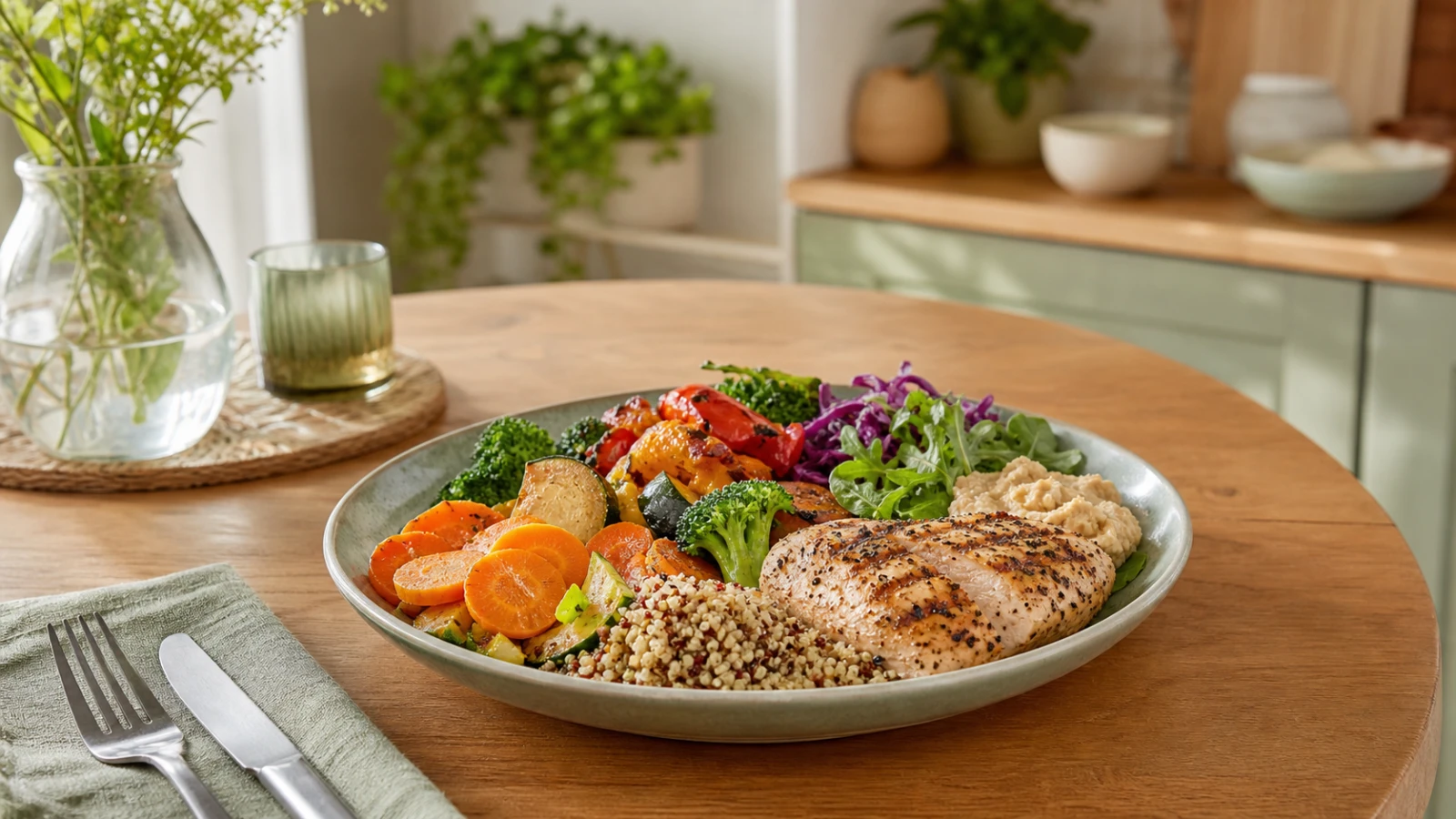
Weight Management and Obesity: A Short Guide to Regain, Behaviors, and Looking Beyond BMI
A short guide to weight management and obesity, covering why weight regain is common at the population level and not a personal failure, why to look beyond BMI to waist and body composition, which sustainable behaviors are linked to long term maintenance, who should be careful, when to see a doctor, and how to start, treating every number as population level knowledge rather than a personal target.
Read article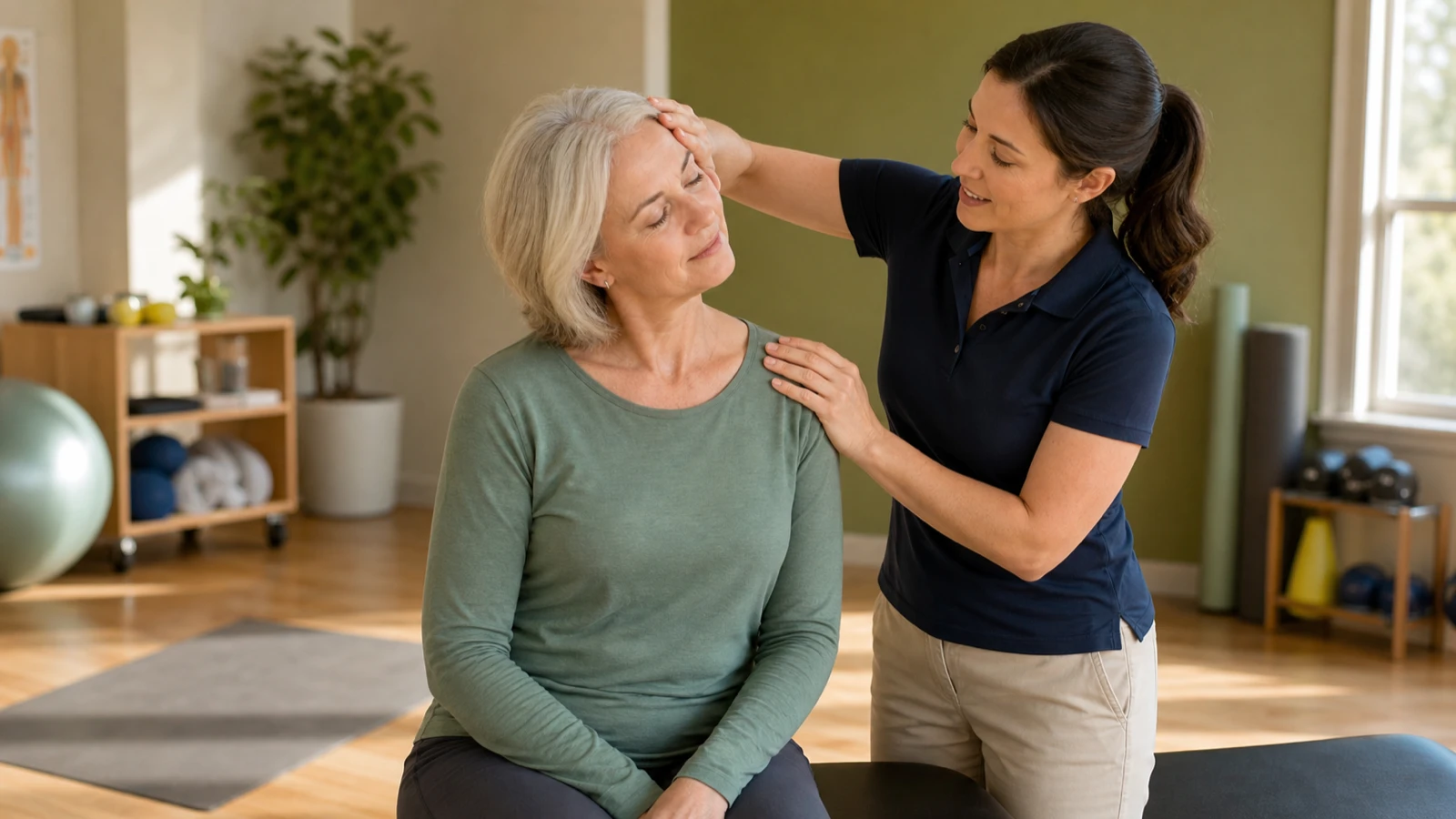
BPPV Vertigo: What It Is, How It Is Diagnosed, and How to Manage It
A short guide to BPPV, benign paroxysmal positional vertigo, the most common cause of vertigo. It covers what BPPV is, why a head movement can make the room spin, what the symptoms look like, how it is diagnosed and managed with clinician guided repositioning maneuvers, and the warning signs that call for urgent care.
Read article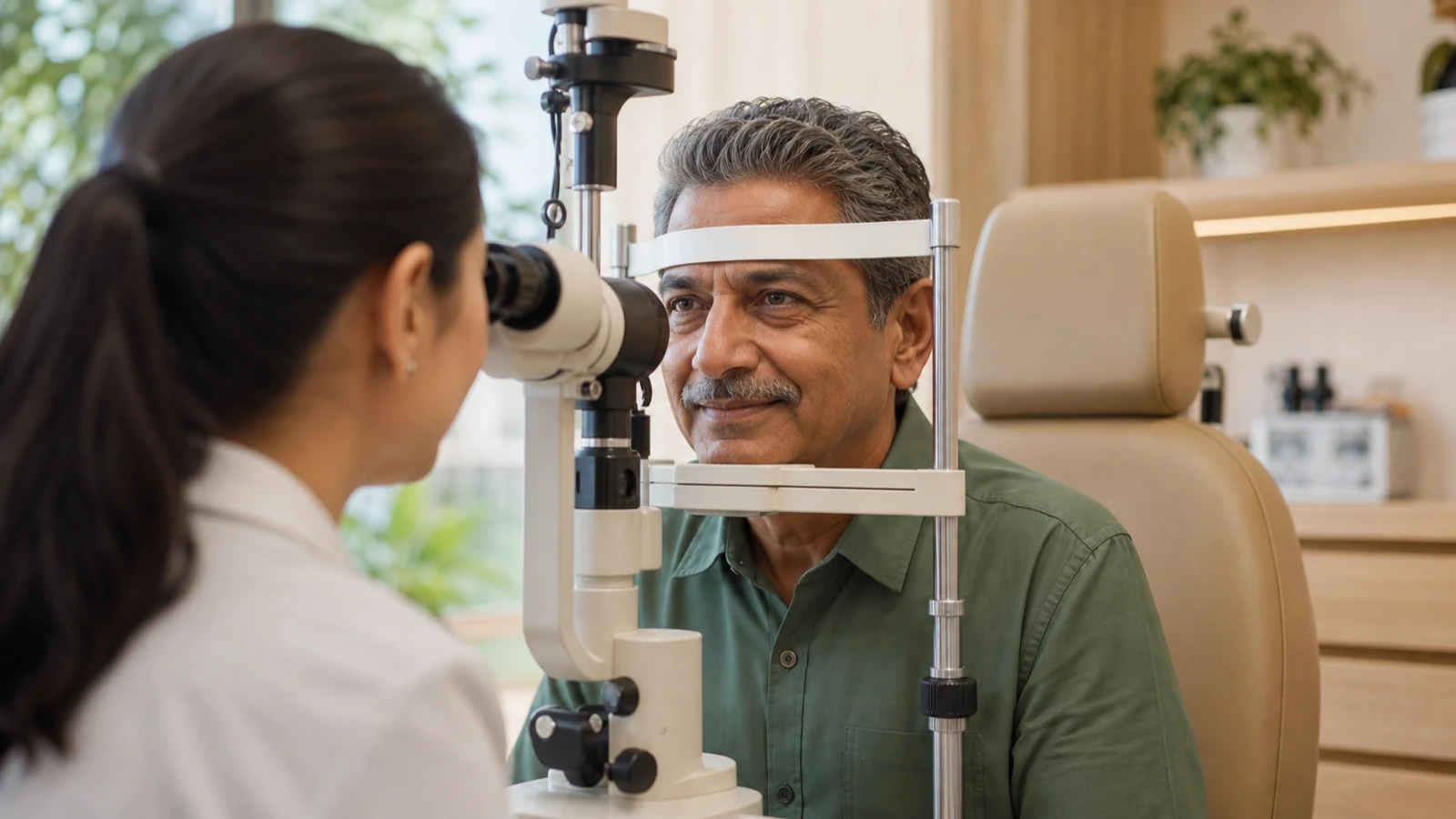
Cataracts: What They Are, How to Spot Them, and How They Are Treated
A short guide to cataracts, covering what a cataract is, how to spot the symptoms, what raises the risk, how it is diagnosed, and why surgery is the only proven treatment, decided together with an eye doctor.
Read articleVerifiable
References for this article
- 1 American College of Lifestyle Medicine lifestylemedicine.org
- 2 DiRECT trial pubmed.ncbi.nlm.nih.gov
- 3 PREDIMED pubmed.ncbi.nlm.nih.gov
Reviewed by Health Coach: A888