
Picture an ordinary morning. You walk from the bedroom to the bathroom like every other day, and your toe clips the edge of a rug. Your weight tips forward, your hand grabs at the air and just catches you, and your stomach drops even though you never actually fell.
It is easy to shrug it off: “I just wasn’t looking,” or “I’ve been sitting too much, I’ll walk more.” But after 40, a near-fall is not only clumsiness, and it is not just something that happens to “old people.”
What keeps you upright works like a tripod with three legs: balance, strength, and how you walk. Let one leg weaken and you start to wobble without even noticing.
What People Get Wrong, and What Is Actually True
The first myth: if you are worried about falling, just walk more.
Walking and housework do help. A 2019 study found that moving regularly, including light walking and housework, was linked to fewer hip fractures in women after menopause.
But the key word is “linked.” It is not proof that walking or housework on its own will keep your hip from breaking. Light activity is a good base for daily life, but if the goal is fewer falls, the evidence says you need to train more than plain walking.
The strongest evidence sits with structured exercise, especially balance training and the kind of real movement your day demands: standing up, sitting down, walking, turning, steadying yourself as you reach for something. A 2019 Cochrane review found that programs like this cut both the rate of falls and the risk of falling in older adults living in the community.
The global guidelines agree. Anyone at risk of falling should get a look at several causes at once, not just “weak legs” or “not careful,” and then follow a program tailored to them with balance, strength, and walking at its core.
Options That Actually Work
If you want something concrete, think of it like fixing the stairs at home. You do not repair one step and stop. You check the handrail, the surface, and the lighting too.
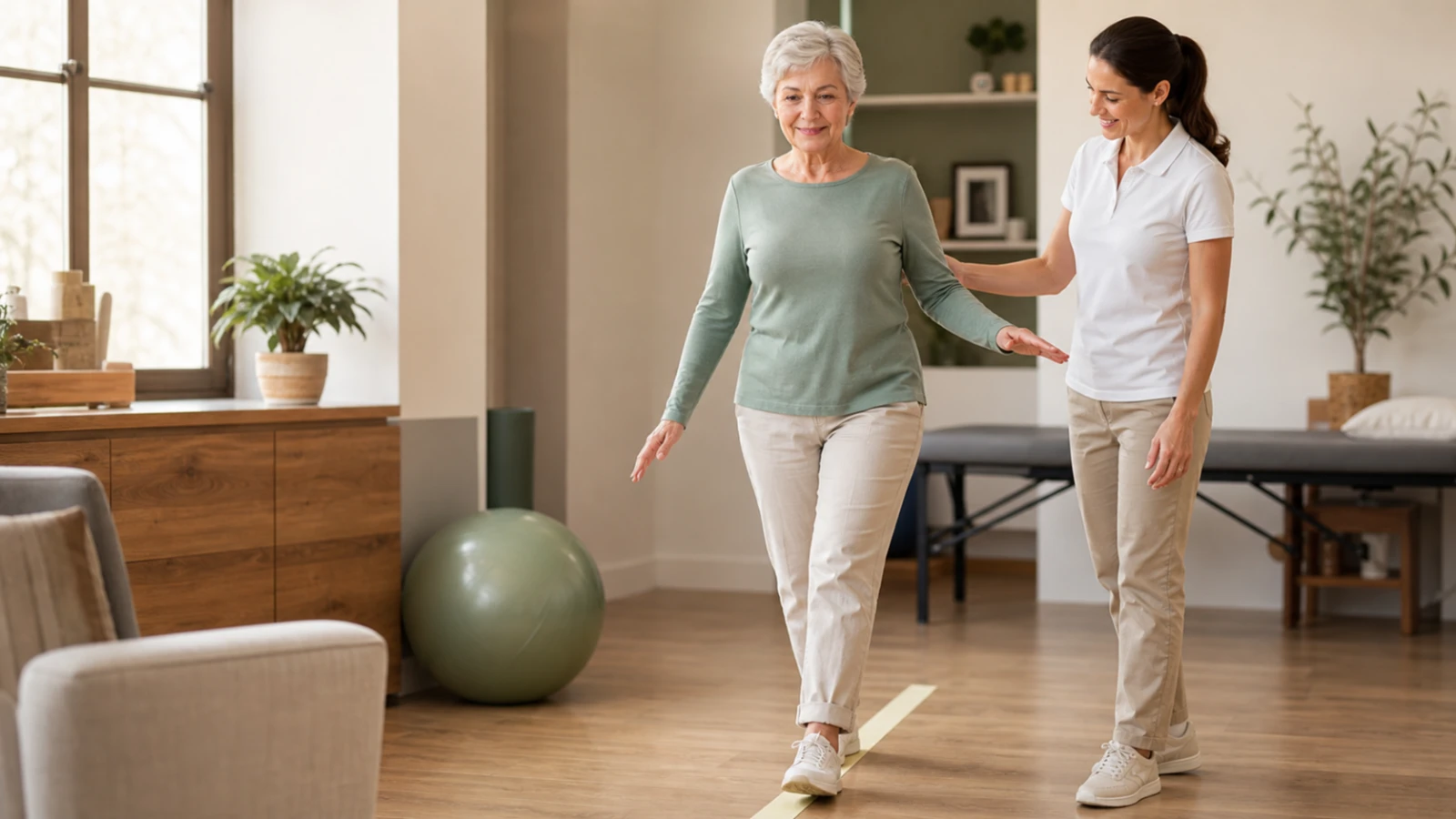
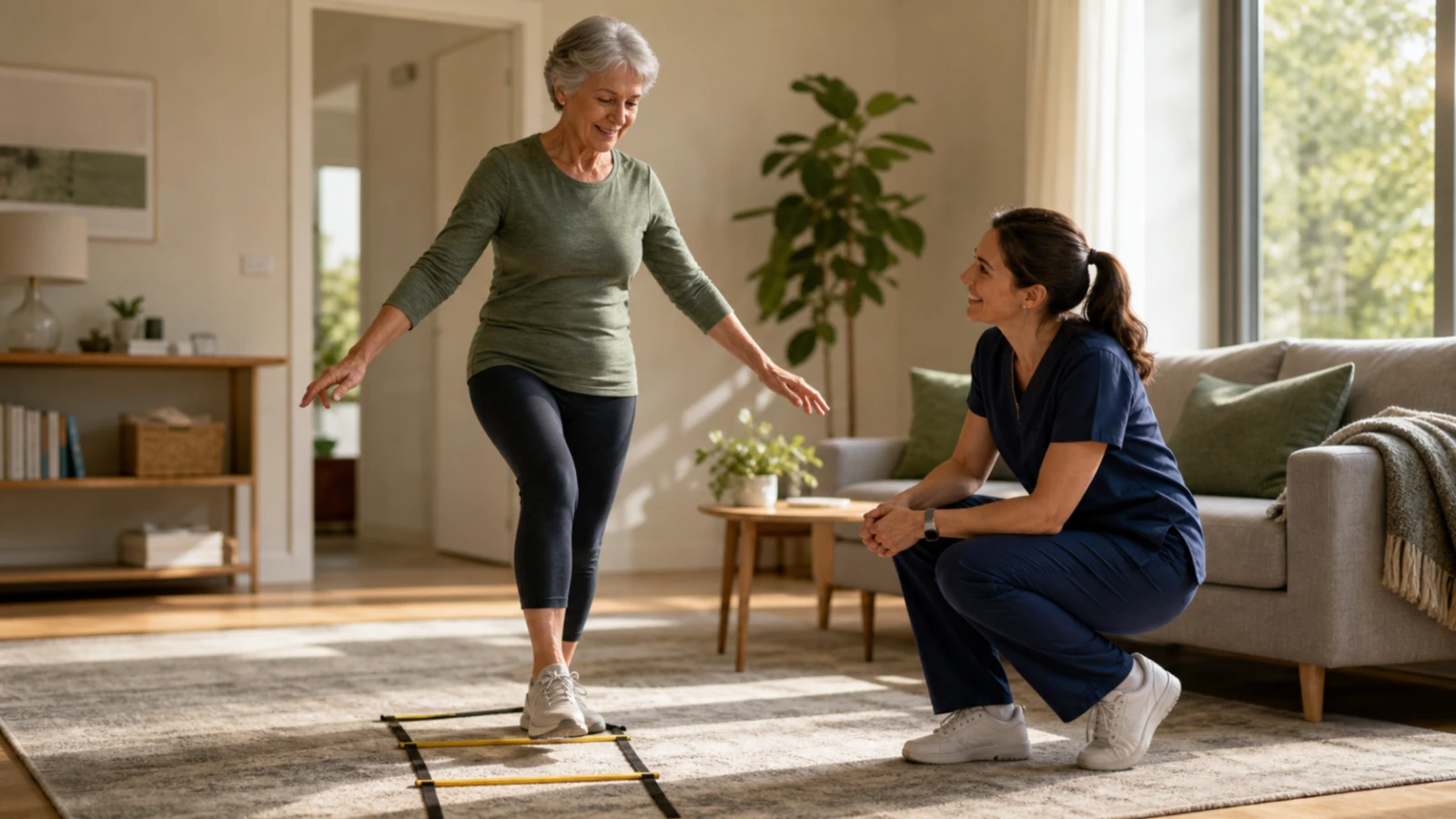
First, train balance and real movement, not just seated strength work in pieces. A program should have you standing, steadying, shifting your weight, walking, and moving the way life actually asks you to.
Second, Tai Chi. A 2023 review and meta-analysis of randomized trials found that Tai Chi lowers fall risk and how often people fall, and improves everyday movement in older adults. Still, not every level suits everyone. Fast, hard, or spin-heavy classes may not fit, especially if you have already been flagged as at risk of falling, so pick a level that matches you.
Third, resistance training, meaning working your muscles against a load. The evidence says building that load gradually helps your balance while moving and helps you stand, walk, and get around if you are at risk of fractures from thinning bones. But whether it directly cuts the number of actual fractures is still uncertain, so say it plainly: resistance training may help your movement and balance, not that it clearly “prevents fractures.”
Who Should Take Care Before Starting
If you do not have a clear, raised risk, you can start with safe, steady activity and add balance work or Tai Chi at a level that fits you.
But if you have been flagged as at risk of falling, you are worried about your balance, or you are at risk of fractures from thinning bones, check with a doctor or physical therapist before you start a serious program, so the training matches your own risk.
Overall, the evidence is strong for cutting fall risk with structured exercise. Just keep it straight: “fewer falls” is not the same as “definitely fewer fractures” across every kind of training.
Start Tomorrow, One Step First
Tomorrow you do not need to overhaul your whole life. Pick one thing. Stand near the kitchen counter or a handrail and slowly shift your weight left and right in a spot where you feel safe, or look for a gentle beginner Tai Chi class that does not rush the pace.
The goal is not to live in fear of the floor. It is to slowly let your body relearn its own footing, like practicing your brakes before the day you really need them.
This summary is for general understanding only and is not personal medical advice. If you have been flagged as at risk of falling, are worried about your balance, or are at risk of fractures from thinning bones, talk to a doctor or physical therapist before starting a serious exercise program. The full version includes complete reasoning and research.
Summary complete
This was the key-points summary
Want to understand why, and the research behind it? Read the full version.
Read the full reasoning and researchRead next
More in this category
Carpal Tunnel Syndrome: What It Is, What Causes It, and How to Manage It
A short guide to carpal tunnel syndrome, covering what it is, why the thumb, index, and middle fingers go numb especially at night, who is at risk, how a doctor diagnoses it, management from wrist splinting to surgery, and how to start caring for your wrist.
Read article
Chronic Low Back Pain: What It Is, Why the Scan Is Not the Answer, and How to Manage It
A short guide to chronic low back pain, covering what it is, why an X-ray or MRI is often not the answer, which red flags need prompt care, why staying active beats bed rest, and how the ACP guideline puts non-drug care first.
Read article
Knee Osteoarthritis: What It Is, What It Feels Like, and How to Manage It
A short guide to knee osteoarthritis, covering what it is, what it feels like, how it differs from rheumatoid arthritis, what raises the risk, and why movement is the first line of care you build alongside your doctor.
Read articleVerifiable
References for this article
- 1 Exercise for preventing falls in older people living in the community - Sherrington et al., Cochrane Database of Systematic Reviews (2019, PMID 30703272) pubmed.ncbi.nlm.nih.gov
- 2 World guidelines for falls prevention and management for older adults: a global initiative - Montero-Odasso et al., Age and Ageing (2022, PMID 36178003) pubmed.ncbi.nlm.nih.gov
- 3 Association of Physical Activity and Fracture Risk Among Postmenopausal Women - LaMonte et al., JAMA Network Open (2019, PMID 31651972) pubmed.ncbi.nlm.nih.gov
- 4 Effects of exercise intervention on falls and balance function in older adults: a systematic review and meta-analysis - Yu et al., PeerJ (2025, PMID 41122235) pubmed.ncbi.nlm.nih.gov
- 5 Tai Chi for fall prevention and balance improvement in older adults: a systematic review and meta-analysis of randomized controlled trials - Chen et al., Frontiers in Public Health (2023, PMID 37736087) pubmed.ncbi.nlm.nih.gov
Reviewed by Health Coach: A888