
High Blood Pressure and High Cholesterol: A Short Guide to Risk and First Steps
A concise version of High Blood Pressure and High Cholesterol, summarizing clearly confirmed risks, still-debated numbers, and practical first steps for adults 40+
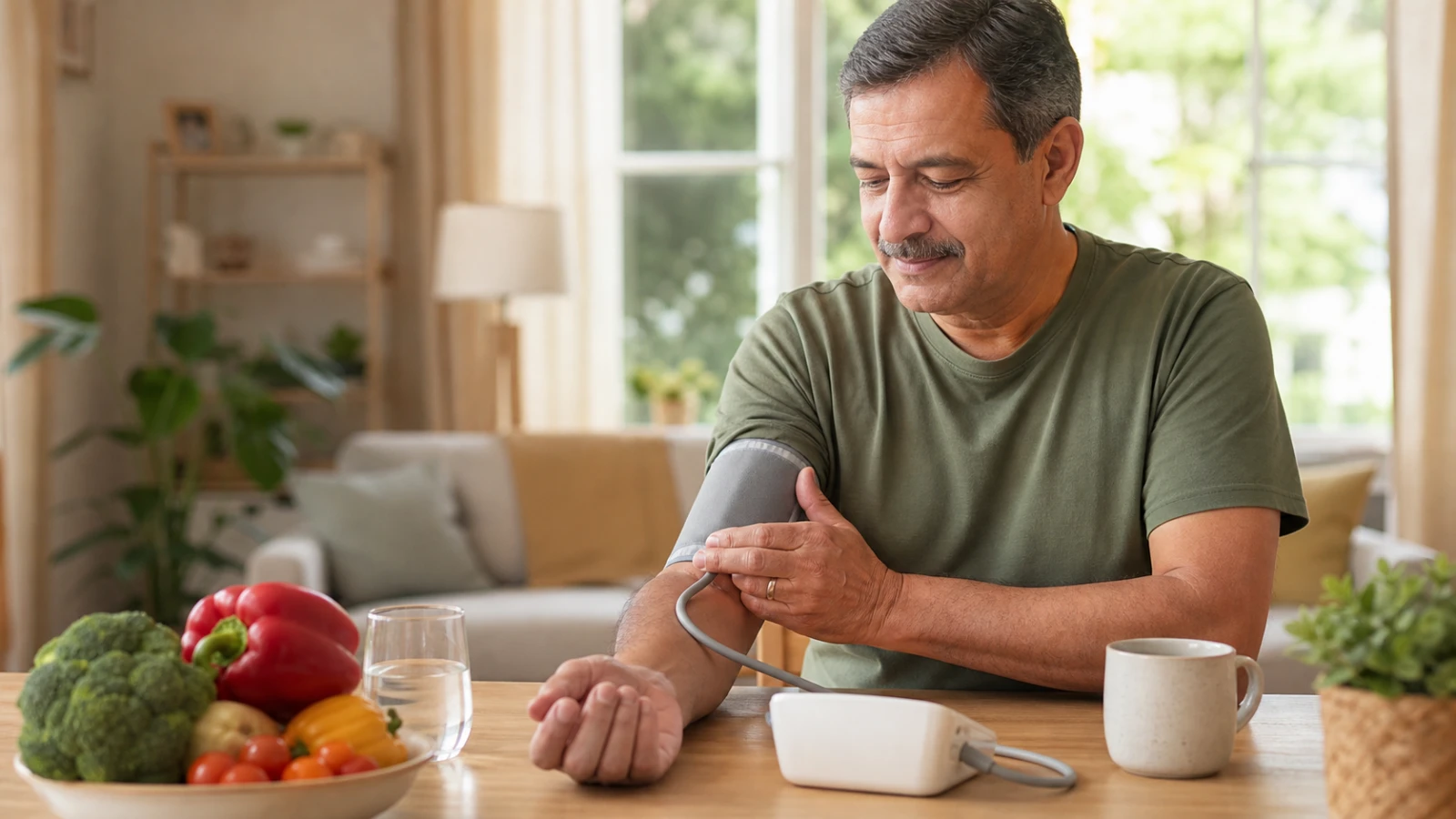
At age 48, you feel fine. You have no symptoms, but your blood test report shows 2 numbers your doctor has circled: your blood pressure is somewhat high, and your LDL is above the target range. Nothing hurts and nothing feels wrong. So why start worrying now?
Because high blood pressure and high blood lipids work quietly. You do not feel anything until blood vessels narrow or rupture. These 2 markers are major risk factors for stroke and heart disease. The good news is that both are numbers you can measure, and both can be lowered through food, movement, and weight, with changes in blood markers visible within a few weeks.
Clearly Confirmed Risks
High blood pressure means pressure inside the blood vessels stays too high over time, like water pipes being forced to carry excessive pressure all day. The vessel walls become fatigued and fragile. High LDL that has been oxidized can slip beneath the blood vessel wall and build up as plaque that narrows the vessel. This plaque can form silently for many years without symptoms.
3 confirmed numbers
- Every 10 mmHg increase in systolic blood pressure raises overall stroke risk by 20% and raises the risk of hemorrhagic stroke by 31%
- Lowering systolic blood pressure by just 5 mmHg helps reduce stroke risk by around 22%. Even a small decrease is worthwhile
- LDL-C 160 to 189 mg/dL increases the risk of death from cardiovascular disease by around 1.7 times compared with people whose LDL is below 100
⚠️ Caution: The LDL numbers come from research in Western populations. Applying them to Asian and Thai populations requires additional verification.
Numbers Still Under Debate, Do Not Accept Them Fully Yet
Good health knowledge should state both what has been confirmed and what remains unclear. The 2 combined-effect numbers below sound alarming, but after checking, they still do not meet the standard of confirmation from 2 independent sources.
- “Borderline blood pressure plus borderline lipids together, under age 55, increase risk by 3 to 4 times” The direction is true, blood pressure and lipids do have reinforcing effects. But the 3 to 4 times number comes from cases of full dyslipidemia, not borderline levels. The size of the combined effect when both are borderline remains unconfirmed
- “Blood pressure 160 or higher plus high lipids increases the risk of death from ischemic heart disease by 3.5 times” The underlying principle is true, blood pressure 160 or higher combined with high lipids does increase risk. But the specific 3.5 times figure could not be confirmed from an independent source
What Actually Helps Lower Them
This section is consistent with AHA and ACC standards, but it has not yet been confirmed by 2 independent sources. Use it as a guide, adjusted together with a doctor who knows your health history.
- DASH diet and reducing salt Emphasize vegetables, fruit, and whole grains. Reduce sodium to below 2,300 mg per day (and below 1,500 mg if you already have high blood pressure). For Thai food, watch out for fish sauce, soy sauce, seasoning powder, and processed foods
- Aerobic exercise At least 150 minutes per week helps lower average blood pressure by 5 to 8 mmHg, increase HDL, and reduce triglycerides
- Weight loss Every 1 kg lost helps reduce blood pressure by around 1 mmHg, and losing 5% of starting body weight can meaningfully improve lipid values
The guideline targets are blood pressure below 130/80 mmHg, LDL below 100 (or below 70 for high-risk groups), and triglycerides below 150 mg/dL. In general, blood pressure and triglycerides start to move down within 2 to 3 weeks, while the full lipid profile becomes clearer at 8 to 12 weeks.
When to See a Doctor
Lifestyle change can help a great deal, but some cases also need medication. Decisions about medication must always be made with a doctor. You should consult a doctor when:
- You have fully adjusted your lifestyle for 3 months and your blood pressure or lipids remain high. It is time to discuss medication
- You have an underlying condition such as diabetes, kidney disease, or a history of cardiovascular disease. In this group, a doctor may start medication right away
- You have warning symptoms such as chest tightness or pain, weakness on one side of the body, facial drooping, or slurred speech. Go to the hospital immediately because these are signs of stroke or a heart problem
⚠️ Blood pressure medicines and lipid-lowering medicines (such as statin) must be prescribed and monitored by a doctor. Do not adjust the dose or stop medication on your own because you feel your numbers have improved.
A Small Step for Tomorrow
Choose just 1 first step today. For example, after dinner, walk for 10 minutes before sitting down to watch TV. Or if your blood pressure is above the target range, record your home readings morning and evening for 7 days, then bring them to discuss with your doctor. The numbers on today’s blood test are not a sentence. They are information that lets you act before disease takes shape.
This summary is for general understanding, not medical advice, and should be reviewed by a qualified professional before being applied in practice. The full version contains the complete rationale and research


Summary complete
This was the key-points summary
Want to understand why, and the research behind it? Read the full version.
Read the full reasoning and researchRead next
More in this category

Asthma: What It Feels Like, How It Is Diagnosed, and How to Manage It Safely
A short guide to asthma as chronic airway inflammation, with key symptoms such as wheeze, night cough, chest tightness, and breathlessness; diagnosis with clinical assessment and spirometry; modern controller treatment principles; inhaler technique; written action plans; trigger reduction; and emergency warning signs.
Read article
Parkinson's Disease: What It Is, How to Recognize It, and How It Is Managed
A short guide to Parkinson's disease: how dopamine-related neurodegeneration can cause resting tremor, slowness, stiffness, balance problems, and non-motor symptoms such as constipation, sleep behavior changes, loss of smell, and depression, plus when to see a doctor and how treatment and lifestyle care fit together.
Read article
Long COVID: A Short Guide to Fatigue, Brain Fog, Palpitations, and Pacing
A short guide to Long COVID, or PASC, covering what the research finds, common symptoms such as fatigue, brain fog, and palpitations on standing, why pushing through exercise may make people with post-exertional malaise (PEM) worse, the pacing approach studied to manage symptoms, and the warning signs that need a doctor, all as health education rather than a diagnosis, with no promise of a cure.
Read articleVerifiable
References for this article
- 1 JAMA Network Open 2024: Cumulative SBP & stroke type jamanetwork.com
- 2 Circulation (Cooper Center): LDL & CVD mortality pubmed.ncbi.nlm.nih.gov
Reviewed by Health Coach: A888